Learn about income and expenses and why they're fundamental in maintaining a budget.


Retail therapy is the practice of making purchases to negate negative emotions. As described by the Cleveland Clinic, there are psychological reasons that shopping for wants (as opposed to needs) makes us happy. It releases hormones like dopamine, serotonin, and endorphins, which are chemicals in the brain that improve your mood. Along the same lines, retail therapy brings an increased sense of control, visualization of how your future can be better than your present (clearer skin, nicer clothes, etc.), stimulated senses, physical activity, and spending time with others. All of these are good things, and it makes sense to seek them out when you’re having a hard time.
Retail therapy is almost always spontaneous and reactive, meaning it’s incredibly hard to predict and plan for. With online shopping available at your fingertips 24/7, it’s easier than ever to put yourself in a bad financial position while chasing temporary relief from stressors. This can create a dangerous spiral—you feel bad, so you buy something. Your financial situation takes a hit. This makes you even more stressed, so you buy something to make yourself feel better. The pattern repeats itself.
Even if your situation isn’t quite that dire, small purchases add up, especially if you aren’t planning for them. And, of course, the larger the spending spree, the more quickly it becomes a problem. No matter the level of spending, retail therapy focuses on the “now” rather than the long term. It can lead to inadvertently sacrificing your bigger financial goals for smaller and less fulfilling immediate purchases.
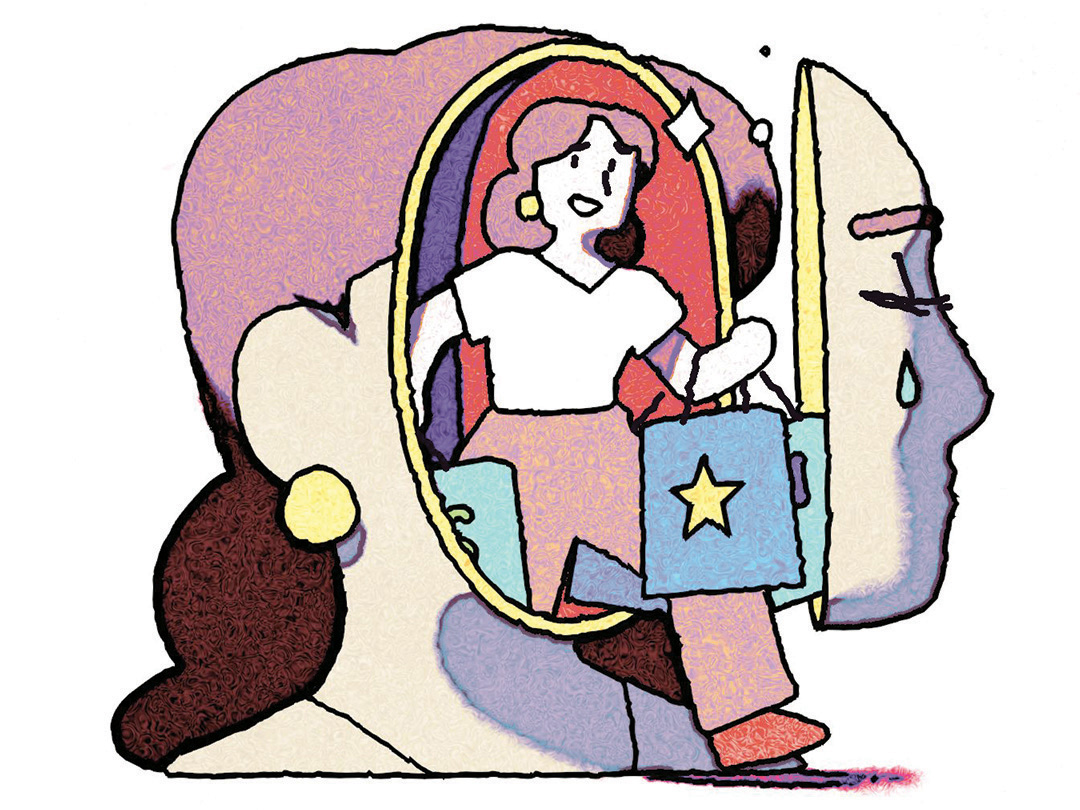
Recognize Your Triggers. You turn to retail therapy for a variety of reasons. Try to take a step back and think about what triggers you to open your wallet. Is it stress from work? Boredom at home? Arguments with a friend or family member? Recognizing your retail therapy patterns gives you the power to take the first step toward avoiding unnecessary expenses.
Build New Habits. When trying to change a harmful habit, it’s best to avoid temptation. Just as you wouldn’t expect a hungry animal not to eat food you put in front of them, don’t make things harder for yourself than needed. Delete shopping apps from your phone or avoid going to stores when you’re feeling down. Instead, start creating new and healthier coping strategies. Consider calling a friend, taking a walk or going to the gym, or working with your hands by doing a craft. Physical activity releases similar chemicals in the brain as shopping.
Focus on Your Goals. Rather than spending money on temporary joys when you’re feeling down, try contributing that money toward your future goals. Stay realistic—saving for your future goals feels like a sacrifice if your goals don’t feel real or attainable enough. Consider researching what you want in-depth as you create a saving goal. Make a plan for how you’ll implement this goal in your life, and visualize yourself reaching it. This makes your goal more real and worthwhile. To start, create a smaller goal that only takes a few contributions to reach—like a new video game or concert tickets. Once you get the hang of saving over spending, shift your focus to longer-term goals like a new car or vacation.
Talk to a Mental Health Professional. If you find that retail therapy is creating serious problems in your life, and you’re struggling to beat the habit on your own, consider meeting with a mental health professional. They can give you personalized advice and help you build the skills you need to improve your overall mental wellness and coping strategies.
Set a Budget. One of the best methods for getting retail therapy under control is to set a budget for it. If you set aside money for those mood-boosting purchases, you ensure that they won’t eat into the funds you need for other necessary expenses. This calculator can help you get started on making a budget.
Small purchases for the purpose of improving your day don’t have to be a problem. The key is turning retail therapy into a tool in your mental and financial wellness belt, rather than your only strategy. It takes time and may be difficult along the way, but getting control of this habit is definitely worthwhile.

